
 Decoration
 Lighting
 Furniture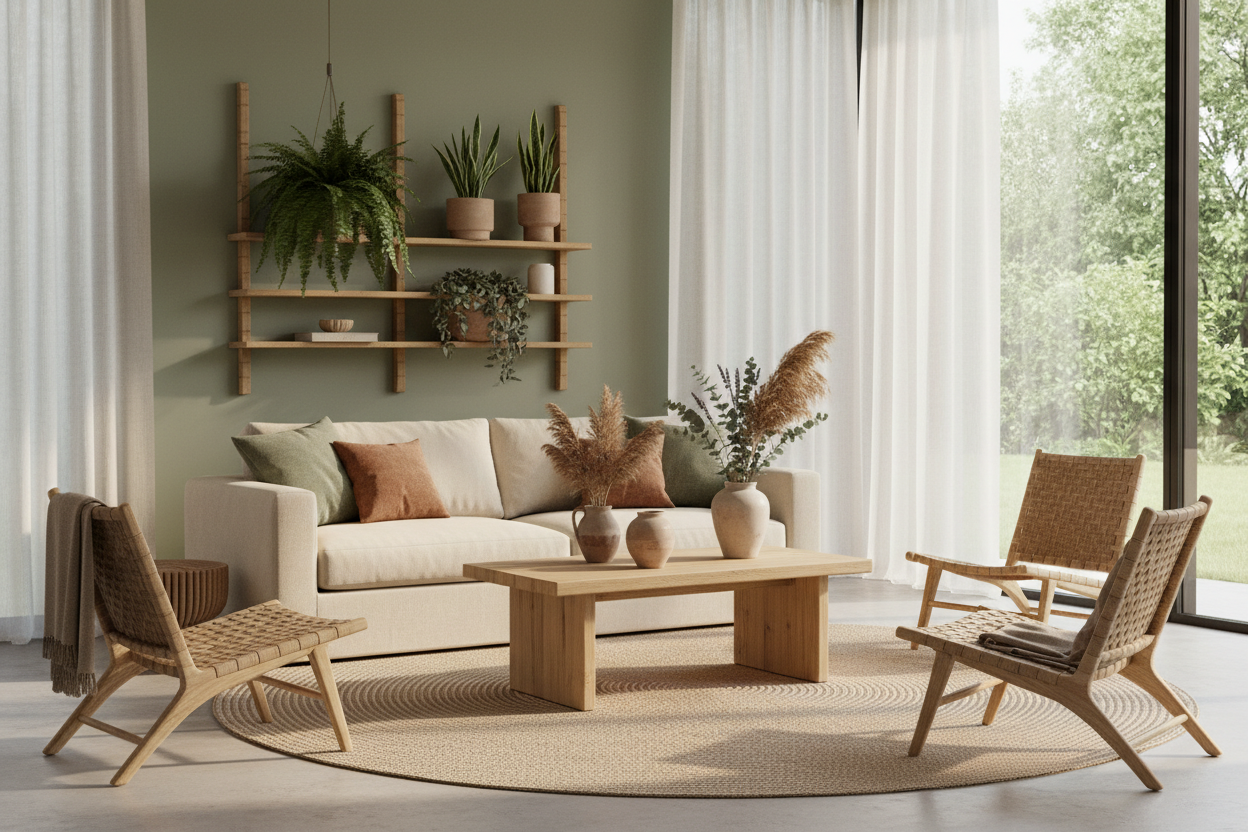
Home decor is no longer just about aesthetics. It's a statement of principles. In a world where every choice matters, creating a space that reflects our sustainable values is an act of coherence, beauty, and purpose.
Today, we're sharing the latest trends in eco-friendly home decor, designed for those who, like you, have already embarked on the path to a more conscious lifestyle and are looking for inspiration to take the next step.
What does it mean to decorate ecologically?
Eco-friendly decor goes far beyond choosing a beautiful piece of furniture. It involves considering the origin of materials, how they were manufactured, the durability of objects, and the impact they will have on your health and the planet.
It's about transforming your home into a space that breathes nature, balance, and authenticity. A sanctuary that reminds you, every day, that it's possible to live in greater harmony with the environment.
Natural materials: the heart of a sustainable home
One of the pillars of ecological design is returning to basics. Natural materials not only provide beauty and texture but are also free of toxins and have a lower environmental impact.
Some key materials:
- Recycled or FSC-certified wood, ensuring responsible forest management.
- Organic fibers such as linen, jute, organic cotton, or hemp.
- Bamboo, for its rapid growth and versatility.
- Cork and natural stone, ideal for cladding and decorative details.
Opting for these materials is a step towards a healthier, more beautiful home that aligns with your values.

You can see more about our products here: https://www.kaokahabitat.com/collections/all
Earth tones and textures that connect with nature
The color palette of ecological decor is directly inspired by the Earth: sand tones, ochres, olive greens, terracotta, soft grays… Colors that relax, bring serenity, and harmonize with natural light.
Combine with:
- Soft textiles without aggressive dyes.
- Rough or imperfect textures that evoke handmade craftsmanship.
- Details in artisanal ceramics or terracotta.
These elements don't just decorate: they humanize spaces and create an atmosphere of well-being and connection.
Conscious minimalism: less is more… with meaning
Sustainable decor goes hand in hand with design. In fact, many current trends point to "quiet luxury": uncluttered spaces, with few objects carefully selected for their function, beauty, and history.
- Avoid excess.
- Prioritize quality over quantity.
- Opt for pieces that truly represent you.
This approach reduces unnecessary consumption and invites you to live with greater fullness and presence in every corner of your home.
Reuse and transform: the new creativity
What if that old inherited chair could become your next favorite piece? Sustainability also involves giving new life to what already exists.
- Upcycling: transform old furniture into new objects with history.
- DIY eco-friendly: create your own pieces with recycled materials.
- Second-hand markets: authentic treasures waiting for a new home.
Rediscovering the value of reused items is an act of conscious creativity.
Natural lighting and energy efficiency
Ecological decor also reflects how we use light and energy at home:
- Prioritize natural light through large windows or sheer curtains.
- Use LED or low-energy lighting.
- Add air-purifying plants (like pothos, sansevieria, or ficus) to improve air quality and fill your home with life.
An ecological home not only looks good, it feels good too.

Conscious brands: choose with your heart (and head)
The latest trend is to support brands and projects that share your values. Companies that prioritize local, artisanal, fair, and sustainable practices.
At KAOKA, we believe that design can (and should) be part of the solution. That's why we create soulful pieces, made with noble materials, responsible processes, and deep respect for people and the planet.
Every choice matters. And you can make your home a living example of that.
Frequently asked questions
Is it more expensive to decorate ecologically?
Not necessarily. While some sustainable pieces may have a higher price, their durability, quality, and ethical production compensate for it. Additionally, reusing or buying second-hand can be very economical.
What are the health benefits of ecological decor?
Avoiding toxic materials and opting for natural fibers improves indoor air quality, reduces allergies, and creates a healthier and more harmonious environment.
Where can I buy sustainable decor?
Look for brands like KAOKA, which operate with environmental and social responsibility. You can also explore artisan fairs, local shops, and second-hand platforms.
Share:
I love Nordic style, how can I achieve it responsibly?
KAOKA en Bahía Sur: diseño sostenible, fabricación local y una experiencia para descubrir nuestras piezas en persona